Sustainable Luxury Handbags: A Modern Woman's Guide to Conscious Style
The luxury handbag has always carried meaning. What's changed is what it means. For the modern woman — the one who balances ambition with intention, who reads labels as carefully as she reads contracts — a bag is no longer just an accessory. It's a statement of values, made visible.
This is the guide to sustainable luxury handbags for women who want their style to align with their principles, without compromising on craft or quality.
What Makes a Handbag Sustainable in 2026?
The word "sustainable" has been stretched thin by overuse. To mean something in the luxury handbag market, it needs to be specific. Four credentials matter:
- Plant-based or recycled materials — not animal leather, not synthetic plastic. Real plant-derived alternatives like grape leather, mushroom mycelium, or apple skin.
- Third-party certification — PETA-Approved Vegan, LWG Gold (Leather Working Group's environmental rating), or B Corp accreditation. Anything self-claimed is marketing.
- Small-batch production — mass manufacturing is fundamentally incompatible with sustainability, no matter what materials are used.
- Designed for longevity — the most sustainable bag is the one you carry for a decade, not the one you replace each season.
At Mariana Malni, all four are non-negotiable. Our VEGEA grape leather handbags are PETA-certified, made from the marc left after Italian winemaking, lined with deadstock Alcantara from LVMH Paris, and hand-stitched in our UAE atelier in small numbers.
Beauty That Reflects Values
Beauty has shifted. Where it once meant "how something looks," it now also means "how something was made." The modern luxury buyer asks where the leather came from, who stitched the bag, and what the supply chain looks like. The visible part of a handbag — the silhouette, the hardware, the colour — is now expected to be matched by the invisible part: the ethics behind it.
This isn't a trend. It's a recalibration of what luxury means. The Gucci of 2010 sold logos. The Mariana Malni of 2026 sells craft, traceability, and intentional materials. Different language, different audience, different definition of beautiful.
Sustainability Without the Compromise
The old assumption was that sustainable handbags meant sacrificing luxury feel — thinner materials, less refined construction, an "eco" aesthetic that signalled virtue more than craft. That assumption is now outdated.
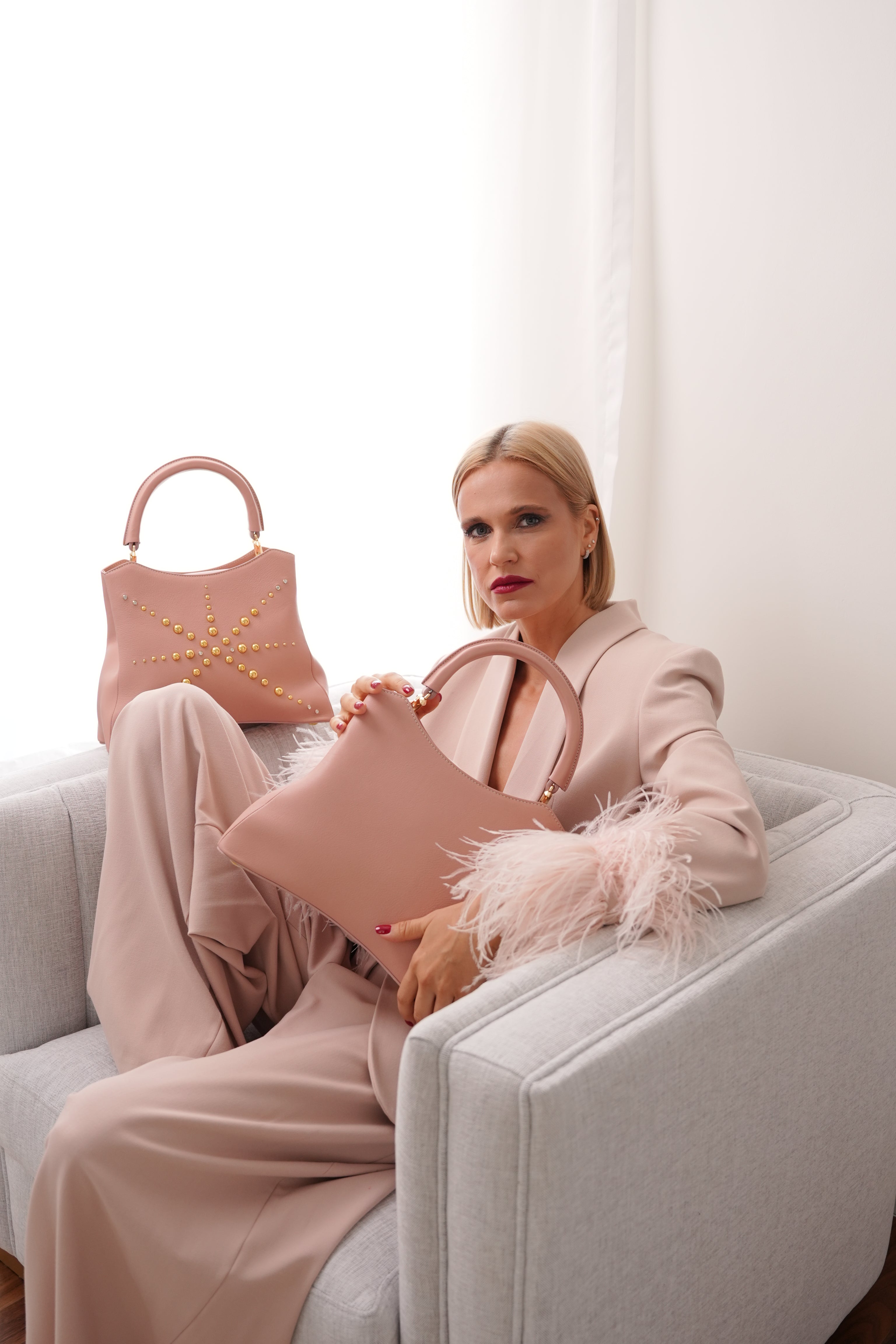
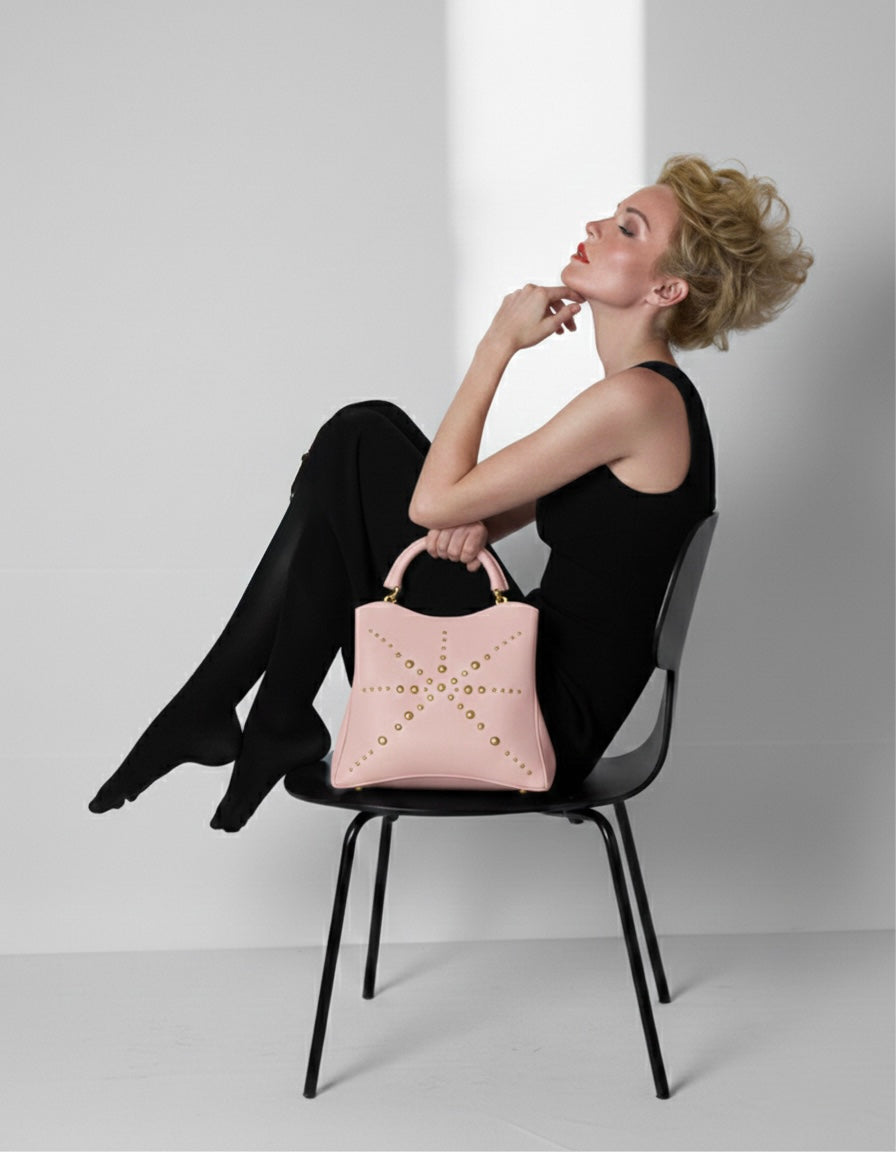
Modern plant-based leathers, particularly VEGEA, carry the hand-feel of fine animal leather. They take colour beautifully — deep wines, dusty pinks, forest greens — and they age with character rather than degrading. Paired with Italian craft direction and gold hardware that is nickel-free and hypoallergenic, a sustainable bag in 2026 can compete on every metric with traditional luxury, while telling a different story.
The same applies to our Italian leather handbags, made from LWG Gold-certified leather sourced from a Tuscan tannery that meets the highest environmental standards in the industry. Sustainable doesn't mean vegan-only. It means traceable, low-impact, and built to last.
Craftsmanship: Where Sustainability Lives
The most overlooked sustainability factor is also the simplest: how the bag is made. A bag stitched by hand by a single artisan, in a small atelier, produced in numbers measured in dozens rather than thousands, has a smaller environmental footprint than any mass-manufactured "eco" alternative — regardless of materials.
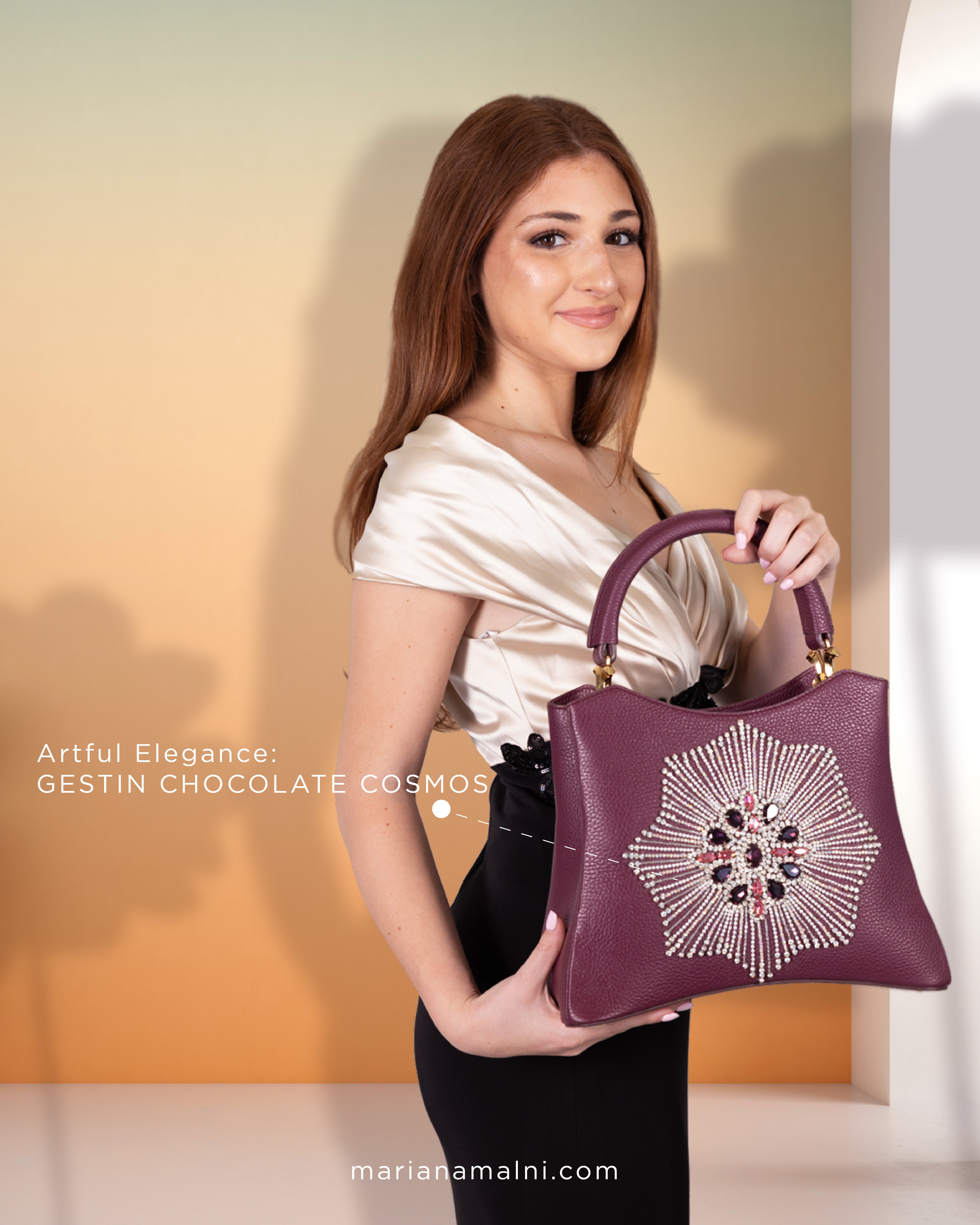
Our Gestin Art Collection takes this principle to its extreme. Each piece is hand-embroidered with a rare flower motif, made exactly once, retired permanently after sale. The bags are named after botanicals — Serruria, Chocolate Cosmos, Kadapul — and they exist as wearable artefacts of both nature and human craft. The opposite of fast.
Conscious Style: Fashion That Has Thought About Itself
The modern woman who chooses a sustainable luxury handbag isn't sacrificing style for ethics. She's refusing to accept the false trade-off. She wants a bag that reads as intentional in a Dubai boardroom, looks correct on a flight to Milan, and answers honestly when someone asks where she got it.
This is what conscious style means in 2026: a quiet refusal of fast luxury, paired with a quiet preference for objects that have been thought about all the way through. Materials, makers, longevity, story. The whole picture.
How to Choose Your Sustainable Luxury Handbag
If you're investing in your first sustainable luxury handbag, four questions to ask:
- What is it actually made from? Look for named materials — "VEGEA grape leather" or "LWG Gold Italian leather" — not vague descriptors like "vegan PU" or "premium leather."
- Who made it? Direct-to-atelier brands tell you. Department-store brands often can't.
- Will I carry it in five years? The colour, the silhouette, the hardware — do they read as timeless or as 2026-specific? Sustainability lives in longevity.
- Does the brand match its own claims? A brand calling itself sustainable while running constant sales and producing seasonal capsules is contradicting itself.
The Mariana Malni Approach
Every Mariana Malni bag is built around the answer to those four questions. Conceived in Dubai. Crafted in the UAE under Italian craft direction. Made from PETA-certified VEGEA grape leather or LWG Gold Italian leather. Lined with deadstock Alcantara from LVMH Paris. Hardware that is nickel-free, hypoallergenic, and built to outlast the bag itself.
We don't run sales. We don't produce seasonal capsules. We don't wholesale. Every bag ships directly from atelier to wearer, with free worldwide delivery. The conversation between maker and woman is unbroken.
Explore the full collection — or start with the VEGEA grape leather handbags if you're choosing sustainability first.

Written by Mariana Malni